%2Ffit-in%2F250x250%2Fguide_websites%2F3470%2Fimages%2Fcaptzachs.png&w=1920&q=100)
Caught a redfish Inshore in Savannah Savannah
Redfish Fishing in Savannah
%2F%2Fusers%2F28a94b2b-9e55-4e2a-aa30-0c27f74b0252%2Fimages%2Fredfish-black-drum-savannah-fishing-7780.png&w=1920&q=75)
The Sciaenops Ocellatus belongs to the order Perciformes and family Sciaenidae. It typically measures between 30 and 61 inches in length, with a weight range from 10 to 45 lbs. Habitat: onshore, flats, backcountry, nearshore. - Popular game fish found along Atlantic coastlines. - Identified by distinctive eyespots near the tail. - Prized for light, flaky meat and fighting ability.
Fishing Charter by Captain Zachary Holick in October
Meet your Captain Zachary Holick
- Unforgettable Fishing Adventures in Savannah, GA



Summary
Captain Zachary Holick of Captain Zach's Fishing Charter on Saturday October offers productive inshore fishing around Whitemarsh Island targeting redfish and black drum. Using bottom fishing and spin casting techniques with live bait, anglers consistently find success on the flats and structure that hold baitfish. The fall months provide excellent opportunities for redfish action in Savannah's brackish waters, with experienced local guidance ensuring you're fishing the spots that produce results.
Fishing Charter with Captain Zachary Holick – Rates & Booking
Captain Zachary Holick of Captain Zach's Fishing Charter on Saturday October specializes in productive inshore fishing around Whitemarsh Island. The 8-hour trip focuses on redfish and black drum using proven bottom fishing and spin casting techniques with live bait. All gear and bait are provided by this licensed local guide who knows the productive flats and structure that consistently hold fish. Book online to secure your spot on the water.
Highlights of
The waters around Whitemarsh Island offer ideal structure for targeting redfish and black drum throughout the fall season. Captain Zach's local knowledge of the flats and baitfish movements ensures anglers are positioned where the fish are feeding. The combination of bottom fishing and spin casting with live bait maximizes your chances of landing quality catches.
This inshore fishing experience provides consistent action for both first-time redfish anglers and experienced fishermen looking to add to their count. The brackish waters around Savannah create perfect habitat for these species, with regular movement patterns that Captain Zach has studied for years.
Local Species Insights: Redfish
Redfish thrive in Savannah's shallow brackish waters, particularly around the structure and flats near Whitemarsh Island. These copper-colored fish with distinctive eyespots feed actively on the incoming tides, making them prime targets for bottom fishing and spin casting techniques. Fall months bring excellent redfish activity as they move through the area following baitfish schools, creating consistent opportunities for anglers willing to work the productive spots Captain Zach knows well.
Plan Your Fishing Charter Day
Your 8-hour inshore fishing charter includes all necessary gear, live bait, and tackle for targeting redfish and black drum. Captain Zach provides a comfortable boat equipped for inshore fishing, with capacity for small groups seeking a personalized fishing experience. Early morning departures take advantage of prime feeding times, with flexible techniques adjusted based on tide and weather conditions for optimal results.
Fishing in Savannah: Black Drum and Redfish
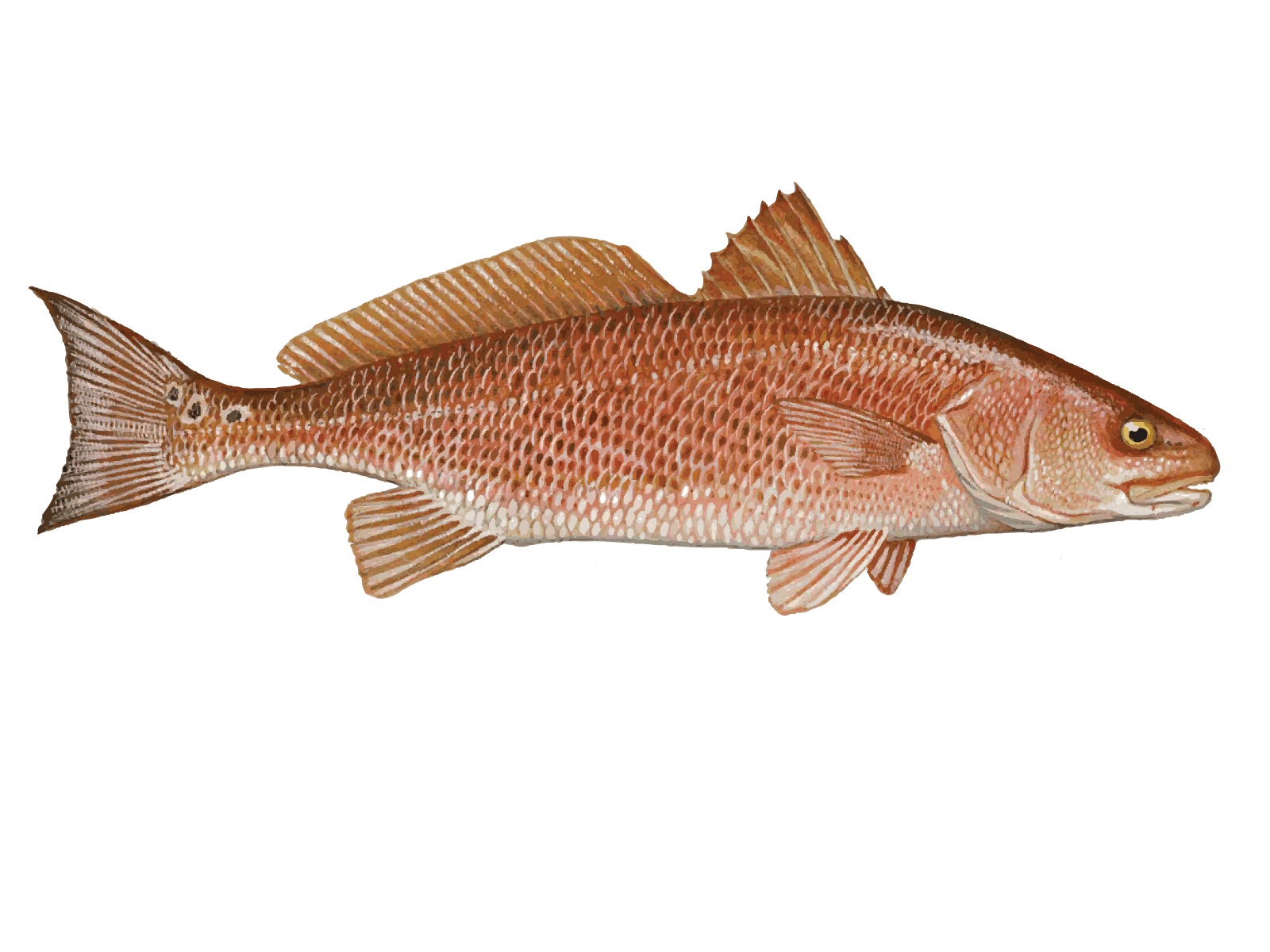
The Redfish (Sciaenops ocellatus), also known as Red Drum, belongs to the order Perciformes and family Sciaenidae. This popular game fish is easily identified by its copper-red coloration that fades to white on the belly and distinctive black eyespots near the tail. In Savannah waters this October, redfish provide consistent action for anglers targeting the shallow flats and structure around Whitemarsh Island.
Redfish Overview
Redfish are highly prized game fish found along the Atlantic and Gulf coasts, known for their powerful runs and excellent table fare. They can live over 40 years and are a cornerstone species for inshore fishing throughout the southeastern United States.
Redfish Habitat and Distribution
These fish prefer shallow brackish waters ranging from 1 to 4 feet deep, including flats, backcountry areas, and nearshore environments. Around Savannah, they frequent the marshes and oyster bars near Whitemarsh Island where baitfish concentrate.
Redfish Size and Weight
Typical redfish range from 30 to 61 inches in length, weighing between 10 to 45 pounds. Slot-size fish around 18-27 inches are most commonly targeted by recreational anglers for their excellent eating quality.
Redfish Diet and Behavior
Redfish feed on crabs, shrimp, mullet, and other baitfish, often rooting in shallow water with their tails exposed. They feed most actively during moving tides, particularly early morning and late afternoon periods.
Redfish Spawning Season
Spawning occurs in nearshore waters from late summer through fall, with fish moving to deeper water during this period. Water temperatures between 70-80°F trigger spawning behavior.
Redfish Fishing Techniques
Bottom fishing with live or cut bait works excellently, along with spin casting using spoons, soft plastics, and topwater lures. In October, anglers around Savannah find success using live shrimp and mullet near oyster bars and grass flats during incoming tides.
Redfish Is It Good to Eat?
Redfish offer mild, sweet meat with a firm texture that works well grilled, blackened, or fried. They're high in protein and omega-3 fatty acids while being relatively low in mercury compared to offshore species.
Redfish Frequently Asked Questions
Q: What is the best bait for redfish?
A: Live shrimp, cut mullet, and blue crab are top choices, with artificial lures like gold spoons and soft plastics also highly effective.
Q: Where can I find redfish near Savannah?
A: Focus on shallow flats, oyster bars, and marsh edges around Whitemarsh Island, particularly during moving tides.
Q: Is redfish good to eat?
A: Yes, redfish have excellent mild, sweet meat that's perfect for grilling or blackening, with high nutritional value.
Q: When is the best time to catch redfish?
A: Early morning and late afternoon during moving tides, with fall months offering some of the most consistent action.
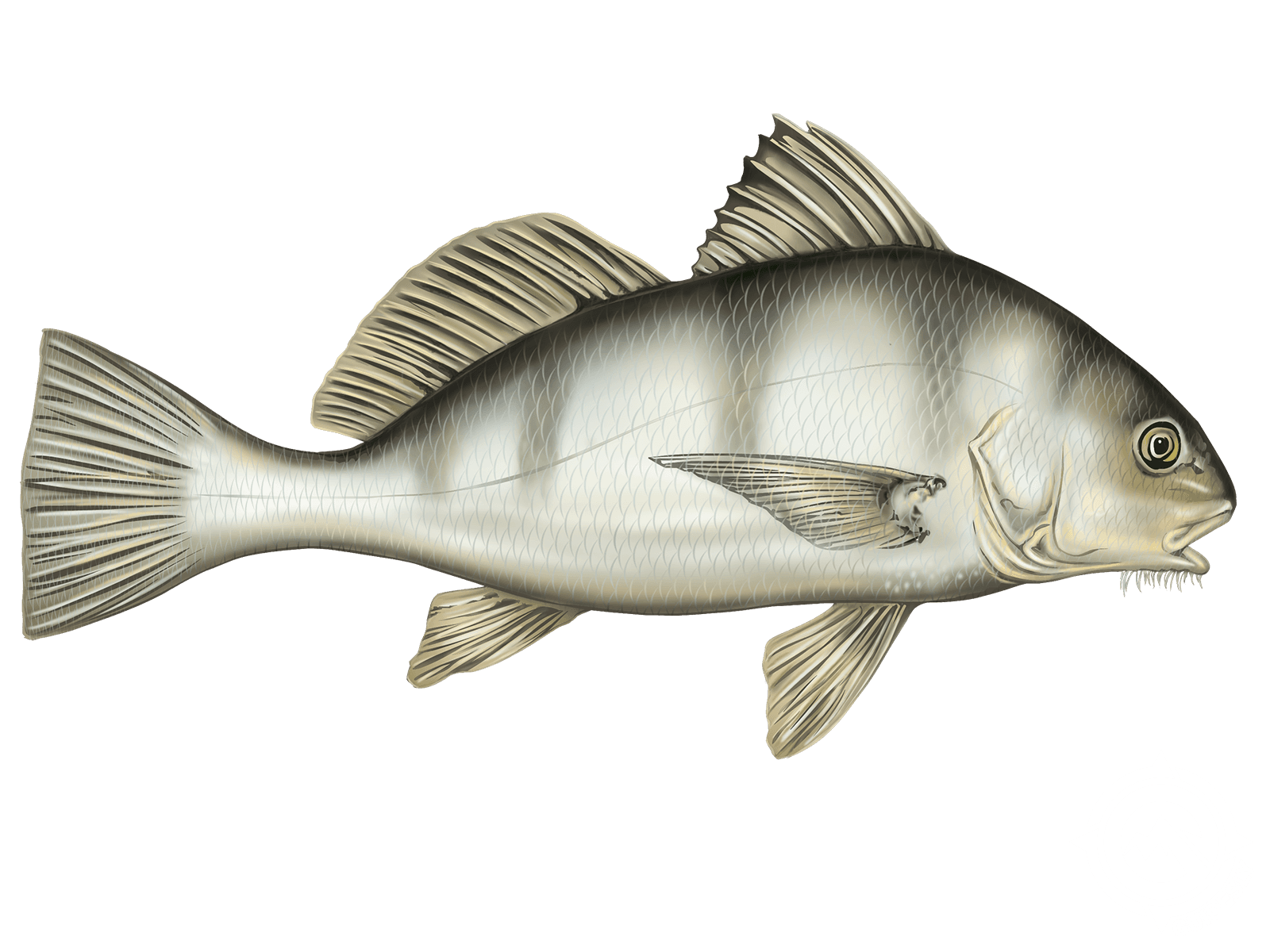
The Black Drum (Pogonias cromis) belongs to the order Perciformes and family Sciaenidae, making it the largest member of the drum family which includes nearly 300 species. These powerful fish are known for the distinctive drumming or croaking sounds they produce, and their ability to crush shellfish with strong jaws. In Savannah waters this October, black drum provide excellent bottom fishing opportunities around structure and oyster beds.
Black Drum Overview
Black drum are the heavyweight champions of the drum family, known for their incredible strength and longevity. They can live over 50 years and are highly valued by anglers for their fighting ability and unique characteristics.
Black Drum Habitat and Distribution
These fish prefer brackish waters and onshore environments, particularly around oyster reefs, bridge pilings, and other hard structure. Around Savannah, they frequent the deeper holes and oyster bars where they can feed on their preferred prey.
Black Drum Size and Weight
Black drum typically weigh between 15 to 90 pounds, with some specimens exceeding 100 pounds. They're known for their robust build and incredible pulling power when hooked.
Black Drum Diet and Behavior
Black drum feed primarily on oysters, clams, crabs, and other shellfish, using their powerful pharyngeal teeth to crush shells. They often feed in deeper water during the day and move shallow during low light periods.
Black Drum Spawning Season
Spawning occurs in nearshore waters during spring months, with fish forming large aggregations. During this time, their drumming sounds can be heard both above and below water.
Black Drum Fishing Techniques
Bottom fishing with heavy tackle works best, using cut bait like blue crab, oysters, or shrimp. In October, anglers around Savannah target them near oyster bars and bridge pilings using circle hooks and strong leaders to handle their crushing power.
Black Drum Is It Good to Eat?
Smaller black drum under 30 pounds offer good eating with mild, flaky meat. Larger fish can be coarser and are often released due to their age and reproductive value to the population.
Black Drum Frequently Asked Questions
Q: What is the best bait for black drum?
A: Fresh blue crab, oysters, and large shrimp work best, with cut bait being more effective than live bait for these bottom feeders.
Q: Where can I find black drum near Savannah?
A: Target deeper holes, oyster bars, and bridge pilings where they feed on shellfish, particularly during moving tides.
Q: Is black drum good to eat?
A: Smaller black drum under 30 pounds are excellent table fare, while larger fish are typically released due to their age and breeding importance.
Q: When is the best time to catch black drum?
A: Fall and winter months offer consistent action, with early morning and evening periods being most productive for feeding fish.