%2Ffit-in%2F250x250%2Fguide_websites%2F3470%2Fimages%2Fcaptzachs.png&w=1920&q=100)
/users/28a94b2b-9e55-4e2a-aa30-0c27f74b0252/ratecard/492489381_611549068586345_195343996003357838_n.jpg)
%2F300x300%2Fusers%2F28a94b2b-9e55-4e2a-aa30-0c27f74b0252%2Fratecard%2F492489381_611549068586345_195343996003357838_n.jpg&w=256&q=75)
%2F300x300%2Fusers%2F28a94b2b-9e55-4e2a-aa30-0c27f74b0252%2Fimages%2Fsavannah-striped-bass-fishing-charter-2453.jfif&w=256&q=75)
%2F300x300%2Fusers%2F28a94b2b-9e55-4e2a-aa30-0c27f74b0252%2Fimages%2Fsavannah-redfish-fishing-charter-2791.jfif&w=256&q=75)
%2F300x300%2Fusers%2F28a94b2b-9e55-4e2a-aa30-0c27f74b0252%2Fimages%2Fsavannah-redfish-fishing-catch-2520.jfif&w=256&q=75)
%2F300x300%2Fusers%2F28a94b2b-9e55-4e2a-aa30-0c27f74b0252%2Fimages%2Fsavannah-redfish-fishing-charter-success-2560.jfif&w=256&q=75)
%2F300x300%2Fusers%2F28a94b2b-9e55-4e2a-aa30-0c27f74b0252%2Fimages%2Fsavannah-redfish-fishing-charter-success-2566.jfif&w=256&q=75)
%2F300x300%2Fusers%2F28a94b2b-9e55-4e2a-aa30-0c27f74b0252%2Fimages%2Fsavannah-redfish-fishing-charter-success-2406.jfif&w=256&q=75)
%2F300x300%2Fusers%2F28a94b2b-9e55-4e2a-aa30-0c27f74b0252%2Fimages%2Fsavannah-fishing-adventure-2359.jpg&w=256&q=75)
%2F300x300%2Fusers%2F28a94b2b-9e55-4e2a-aa30-0c27f74b0252%2Fimages%2Fsheepshead-catch-savannah-fishing-cooler-8652.png&w=256&q=75)
%2F300x300%2Fusers%2F28a94b2b-9e55-4e2a-aa30-0c27f74b0252%2Fimages%2Fsheepshead-fishing-catch-adventure-river-6917.png&w=256&q=75)
%2F300x300%2Fusers%2F28a94b2b-9e55-4e2a-aa30-0c27f74b0252%2Fimages%2Fsheepshead-catch-savannah-georgia-fishing-3705.png&w=256&q=75)
Beginner Inshore Fishing | Savannah's Best Trip
 Savannah
What you will be catching:
 Redfish
 Sea Trout
 Sheepshead
 Summer Flounder
- This 3-hour beginner-friendly trip with Captain Zach takes you through Savannah's scenic salt marshes and estuaries targeting redfish, speckled trout, flounder, and sheepshead. Perfect for up to 4 guests who want to learn inshore fishing techniques from a local expert. You'll fish productive spots while enjoying beautiful coastal views, and everything you need is provided
- rods, reels, tackle, and bait. Captain Zach shares his knowledge to help you understand the water and improve your technique. The calm inshore waters make this ideal for newcomers to saltwater fishing, and you'll experience the classic Lowcountry fishing that makes this area special. Whether you're looking to try something new or introduce family to fishing, this trip offers a relaxed way to explore Savannah's waters.
Trip Pricing and Availabilities:
Savannah Inshore Fishing for Beginners 3 Hours
Looking to get your feet wet in Savannah's legendary inshore fishing scene? Captain Zach's got you covered with this beginner-friendly trip that's perfect for folks who want to learn the ropes without feeling overwhelmed. You'll spend three solid hours working the scenic salt marshes and tidal creeks that make Savannah one of the top-rated inshore fishing destinations on the East Coast. With space for up to four guests, this trip keeps things intimate so everyone gets plenty of hands-on instruction. Whether you're a complete newbie or just new to these waters, Captain Zach breaks down the local techniques and shares the kind of insider knowledge that comes from years of working these marshes. All your gear is provided, so you can focus on what matters most – getting that first redfish to the boat and maybe landing a few trout along the way.
What to Expect on the Water
Savannah's inshore waters are something special, and Captain Zach knows every productive spot from the Wilmington River to the back creeks of Wassaw Sound. You'll be fishing the extensive network of tidal marshes that stretch for miles behind the barrier islands – pristine waters where the fish have everything they need to thrive. The beauty of inshore fishing here is the variety. One cast might bring you a hard-fighting redfish, while the next could hook into a speckled trout or maybe even a doormat flounder if you're working the right structure. Captain Zach reads the tides and conditions like a book, positioning the boat where the fish are feeding and the current is just right. The shallow water fishing means you'll see plenty of action, and beginners love being able to watch their technique improve as the trip progresses. The coastal scenery is just a bonus – those golden spartina grass marshes and winding creeks create the perfect backdrop for your first real taste of Georgia inshore fishing.
Techniques & Tackle Breakdown
Captain Zach keeps the tackle simple but effective, which is exactly what beginners need to build confidence on the water. You'll primarily be using medium-action spinning rods rigged with artificial lures like soft plastics, spoons, and maybe some live or cut bait depending on what the fish are wanting that day. The beauty of inshore fishing is learning to read the water and adjust your approach – sometimes that means working a paddle tail along a grass line, other times it's bouncing a jig head near an oyster bar. Captain Zach walks you through proper casting technique, how to work different lures, and most importantly, how to feel what's happening on the other end of your line. The shallow waters around Savannah are perfect for sight fishing too, so you might get the chance to actually see redfish tailing in the grass before you make your cast. Everything from rods and reels to tackle and bait is included, plus Captain Zach carries backup gear so equipment issues never derail your trip. He'll also show you how to properly handle and release fish, ensuring these world-class fisheries stay healthy for future generations.
Species You'll Want to Hook
Redfish are the bread and butter of Savannah inshore fishing, and for good reason. These copper-colored bruisers typically run 18 to 28 inches in these waters and fight like fish twice their size. What makes reds so exciting is their aggressive nature – they'll hammer a well-placed lure and then take off on powerful runs that test your drag system. Fall and spring are prime time for slot-sized reds, though you can find them year-round if you know where to look. They love cruising the shallow flats during high tide and staging around oyster bars when the water drops. Captain Zach has dialed in their patterns over the years, and there's nothing quite like watching a redfish blow up on a topwater lure in two feet of water.
Speckled trout, or "specks" as the locals call them, are another customer favorite that really puts a bend in the rod. These silver-sided gamefish typically range from 14 to 20 inches and are known for their delicate mouths and acrobatic fights. Specks are most active during the cooler months from October through March, when they school up in deeper holes and around structure. They're also one of the best eating fish in these waters, with white, flaky meat that's perfect for the dinner table. What's fun about trout fishing is the finesse required – they can be picky about lure presentation, so it's a great species for beginners to practice their technique.
Summer flounder, also known as fluke, are the ultimate prize for anglers who love a challenge. These flatfish are masters of camouflage, lying motionless on sandy bottoms waiting to ambush prey. Door-mat flounder over 20 inches are possible, though most run in the 15 to 18-inch range. They're most active during the warmer months when they move into the inshore waters to feed. What makes flounder fishing exciting is the subtlety – their bite is often just a slight tap or weight on the line, so you really have to pay attention. When you do hook up, they fight with surprising strength and their unique flat profile makes for great photos.
Sheepshead might not be the prettiest fish in the marsh, but they're definitely one of the smartest and most challenging to catch. These black-and-white striped fish have human-like teeth designed for crushing crustaceans, and they're notorious bait thieves. Most sheepshead in Savannah waters run 12 to 16 inches, with the occasional 3 to 4-pound slab showing up around the jetties and bridge pilings. They're most active during the cooler months and are excellent table fare. What beginners love about targeting sheepshead is learning to detect their subtle bite – it's often described as feeling like you're snagged on structure, then suddenly the structure starts moving.
Time to Book Your Spot
Learn more about the species
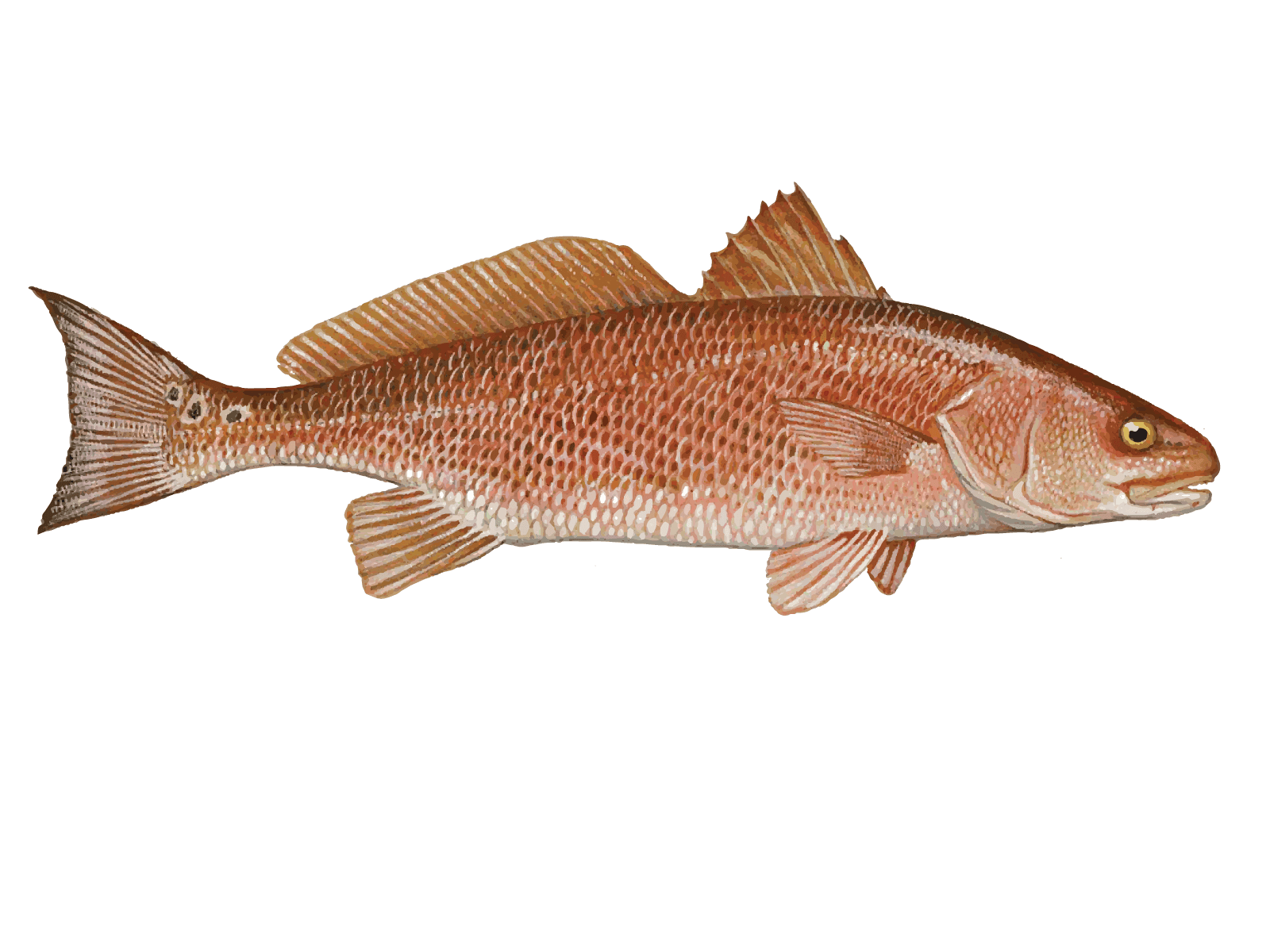
Redfish
Redfish are the crown jewel of our inshore fishing here in Savannah - those copper-colored backs and distinctive black spots near the tail make them easy to identify. Most run 20-30 inches in our shallow flats and oyster beds, though the big "bull" reds can push 40+ inches. They love water so shallow their backs sometimes stick out, cruising around dock pilings and spartina grass edges looking for crabs and shrimp. Year-round fishing is good, but fall brings the best action when they school up. What makes reds special is that powerful fight - they'll make long runs and use that broad tail to bulldoze you around the boat. Plus, they're excellent table fare with firm, mild meat. My go-to technique: sight-fish the flats with gold spoons or topwater plugs early morning. When you spot one tailing, cast well ahead of where it's moving.
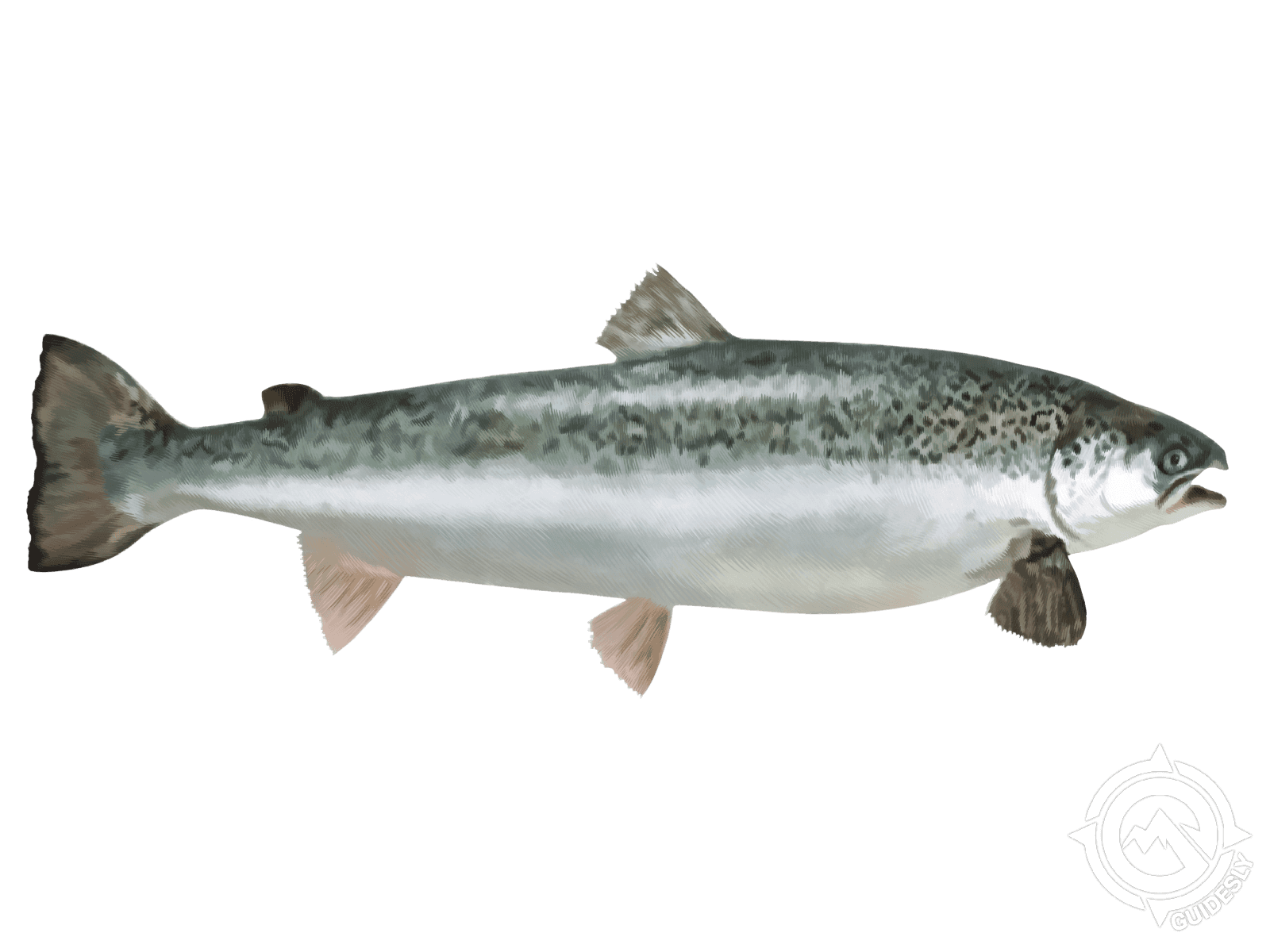
Sea Trout
Speckled trout are the bread and butter of our grass flats fishing around Savannah. These spotted beauties typically run 14-20 inches and love our shallow oyster bars and creek edges where they ambush shrimp and small baitfish. They're most active during moving tides, especially around dawn and dusk when the water's cooler. What guests love about specks is they'll hit both live bait and artificial lures with equal enthusiasm - topwater plugs at daybreak can produce explosive strikes. The meat is delicate and flaky, perfect for a fish fry. During winter months, they school up in deeper channel bends where the water stays warmer. Pro tip: work your lures slowly and keep them just above the grass - specks like to cruise about a foot off the bottom, and a popping cork with live shrimp is deadly when they're finicky.
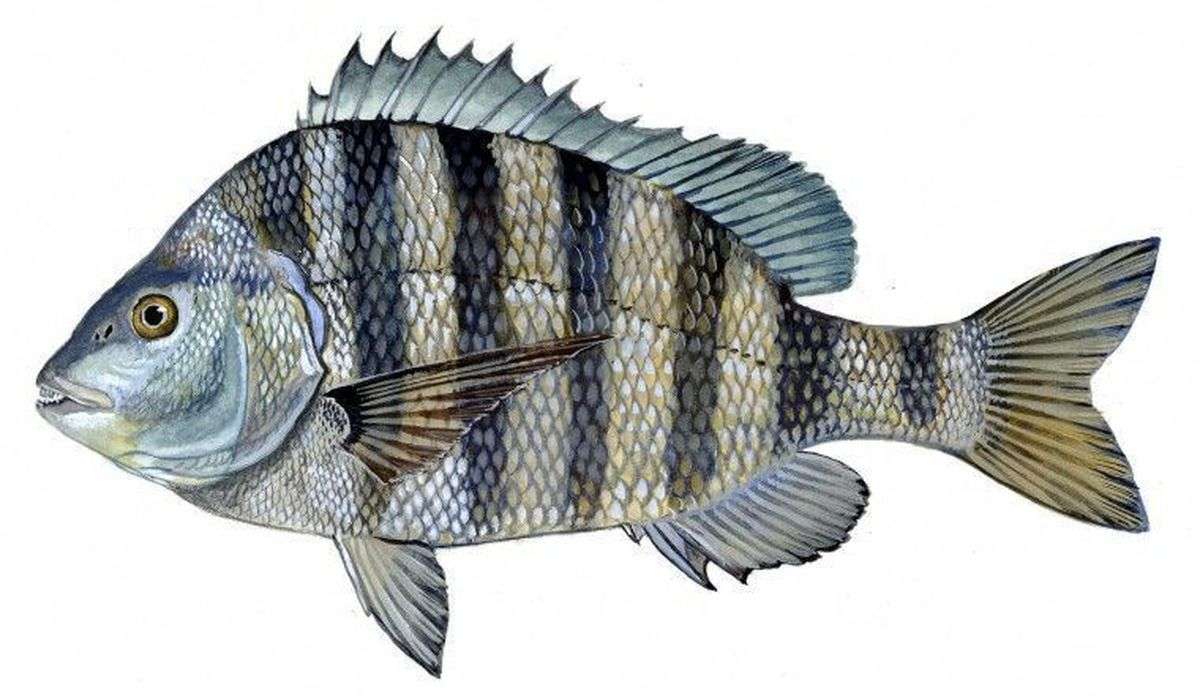
Sheepshead
Sheepshead are the convict fish of our waters - those black and white stripes make them unmistakable. They average 1-8 pounds around Savannah's docks and bridges, where they use those human-like teeth to scrape barnacles and oysters off pilings. Spring through fall is prime time when water temps warm up and they're most active feeding. These fish are notorious bait thieves - they'll nibble your shrimp clean off the hook if you're not paying attention. But land one and you've got some of the best eating fish in our waters, sweet white meat that's worth the effort. My advice: use small hooks with fresh shrimp, get as close to structure as possible, and when you feel that telltale pecking, set the hook hard and fast. They've got crushing power in those jaws once they clamp down.
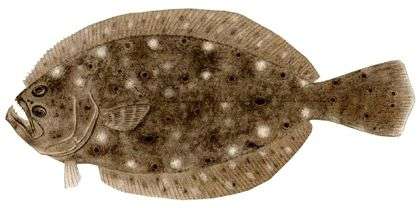
Summer Flounder
Summer flounder are masters of disguise - these flatfish literally change colors to match the bottom they're lying on. They're nicknamed "doormat" when they get big, typically running 15-20 inches around Savannah's waters, though some reach 26 pounds. You'll find them on sandy bottoms in our estuaries and near creek mouths, especially during fall when they're most active. They're ambush predators that bury themselves and wait for baitfish to swim overhead. What makes them fun to target is that sneaky bite - they'll grab your bait and just feel heavy on the bottom until you realize it's not a snag. My tip: use a bouncing sinker rig with live minnows or finger mullet, and when you feel that subtle tap, count to three before setting the hook. They mouth the bait sideways first.
About the Captain Zach’s Fishing Charter
%2F%2Fusers%2F28a94b2b-9e55-4e2a-aa30-0c27f74b0252%2Fvehicle_picture%2F353659863_1601062213735927_8093295185758734963_n.jpg&w=1920&q=75)
Vehicle Guest Capacity: 6
Manufacturer Name: Yamaha
Maximum Cruising Speed: 45
Number of Engines: 1
Horsepower per Engine: 250