%2Ffit-in%2F250x250%2Fguide_websites%2F3470%2Fimages%2Fcaptzachs.png&w=1920&q=100)
Captain Zachs Fishing Charter in Savannah
Sheepshead Fishing in Savannah
%2F%2Fusers%2F28a94b2b-9e55-4e2a-aa30-0c27f74b0252%2Fimages%2Fsavannah-sheepshead-deep-sea-fishing-3360.png&w=1920&q=75)
The Sheepshead (Archosargus probatocephalus) is a distinctive member of the Sparidae family, recognizable by its compressed grey body adorned with 5-7 dark vertical bars. These fish typically measure between 14-20 inches in length and weigh 1-8 pounds, though trophy specimens can reach up to 20 pounds. - Sheepshead have unique human-like teeth used for crushing prey like crustaceans and mollusks. - They're often found around structure like docks, pilings, bridges, and reefs. - Their strong vertical bars have earned them the nickname "convict fish" among anglers.
Fishing Charter by Captain Zachary Holick in August
Meet your Captain Zachary Holick
- Unforgettable Fishing Adventures in Savannah, GA



Summary
Summer fishing in Savannah kicked off with a bang as Captain Zach's Fishing Charter took Rusty and crew out for an early morning sheepshead adventure. We set out at dawn for our 4-hour inshore trip, with partly cloudy skies and the promise of action on the water. Using a mix of bottom fishing, trolling, and live bait techniques, we targeted the crafty sheepshead that call these coastal waters home. These striped fighters are known for their light bites and strong fights, making each catch rewarding for anglers of all skill levels. Monday June proved perfect for inshore fishing, with steady action throughout the morning and plenty of memories made. Whether you're after sheepshead or other inshore species, Captain Zach's local knowledge puts you right where the fish are biting.
Fishing Charter with Zachary Holick – Rates & Booking
Captain Zachary Holick of Captain Zach's Fishing Charter on Monday June offers expertly guided fishing trips targeting sheepshead and other inshore species in Savannah's productive waters. Our 4-hour inshore trips include all the necessary fishing gear, bait, and licenses—just bring your sense of adventure and some sun protection. We specialize in techniques perfect for landing these crafty striped fighters, from bottom fishing around structure to live bait presentations that entice even the most cautious biters. As a licensed local guide with years of experience on these waters, Captain Zach ensures a safe, enjoyable, and productive day on the water for anglers of all experience levels.
Highlights of This Inshore Trip
This early morning adventure showcases the best of Savannah's inshore fishing scene. We employ multiple fishing techniques during our trips, adapting to conditions and fish behavior to maximize your chances of success. From bottom fishing productive structures where sheepshead congregate to using specialized live bait tactics, we've refined approaches that consistently produce results.
Our versatile approach pays dividends, as we switch between techniques throughout the trip to keep the action steady. The partly cloudy conditions with storms on the horizon created perfect feeding conditions, and the sheepshead responded with steady action. These fish are known for their distinctive appearance with human-like teeth and black vertical bars (earning them the nickname "convict fish"), and they provide an excellent challenge for anglers looking to test their skills.
Local Species Insights: Sheepshead
Sheepshead are among Savannah's most unique and rewarding inshore targets. These crafty fish feature distinctive black vertical bars on their silver bodies and possess remarkable human-like teeth they use to crush prey. They typically congregate around structures like docks, pilings, jetties, and artificial reefs where they feed on crustaceans and mollusks.
To target them effectively, we use specialized techniques including light tackle with sensitive rod tips to detect their notoriously subtle bites. Fiddler crabs, shrimp, and clams make excellent bait choices when targeting these structure-oriented feeders. Summer months in Savannah provide excellent opportunities as sheepshead move between nearshore and inshore locations, giving us multiple habitat options to explore during our charters. Their fighting ability is impressive for their size, making them a favorite among local and visiting anglers alike.
Plan Your Fishing Charter Day
Our comfortable, well-maintained fishing boats are fully equipped with quality rods, reels, and tackle suitable for targeting sheepshead and other inshore species. We provide all necessary fishing gear, bait, and licenses, though you're welcome to bring your favorite rod if you prefer. Morning departures typically begin at dawn to take advantage of prime feeding times, though we can arrange afternoon trips based on tides and availability.
For your comfort, we recommend bringing sun protection (hat, sunglasses, sunscreen), weather-appropriate clothing, non-marking shoes, and a small cooler for drinks and snacks. Our vessels accommodate up to 4 guests comfortably, making this perfect for small groups and families. Safety is our priority, with all required safety equipment on board and Captain Zach's extensive knowledge of local waters ensuring a secure and enjoyable fishing experience.
Fishing in Savannah: Sheepshead
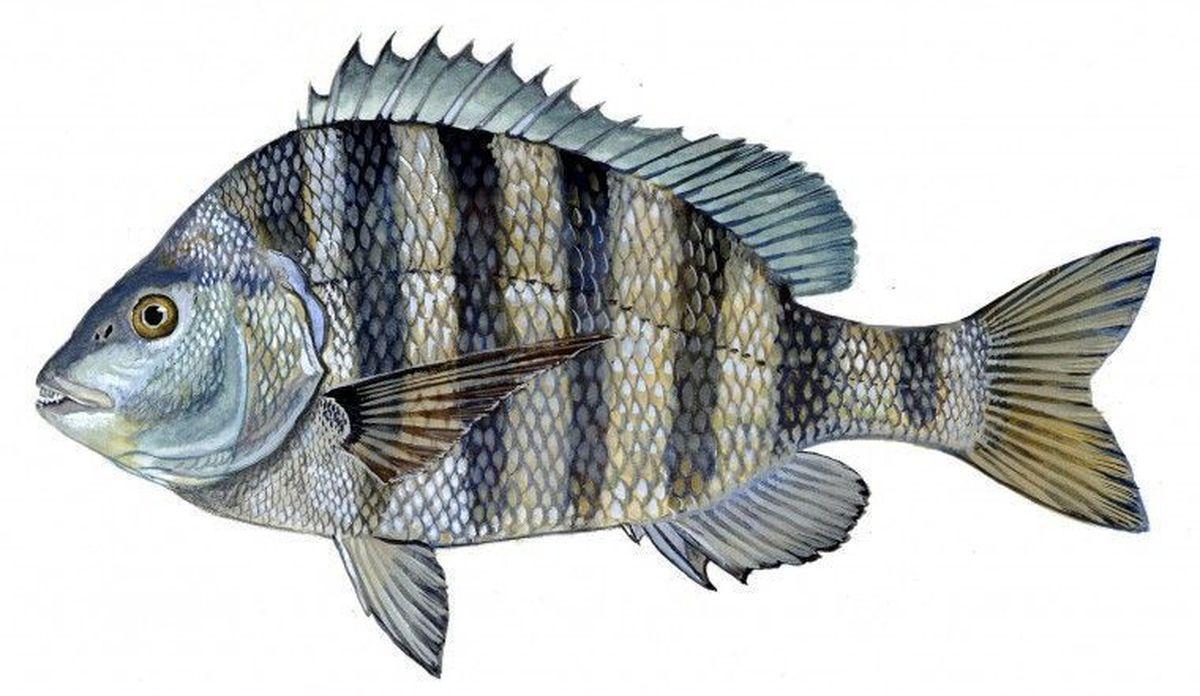
The Sheepshead (Archosargus probatocephalus) is one of the most distinctive fish found in Savannah's coastal waters. As a member of the Sparidae family and Perciformes order, these fish are immediately recognizable by their compressed grey bodies adorned with 5-7 dark vertical bars and their remarkably human-like teeth, which they use to crush crustaceans and mollusks with impressive force.
Sheepshead Overview
Sheepshead are highly sought-after by inshore anglers for both their fighting ability and table quality. These structure-oriented fish have earned the nickname "convict fish" due to their distinctive black and white vertical bars. Their specialized dentition allows them to feed on hard-shelled organisms that many other fish species cannot access, giving them a unique ecological niche in Savannah's diverse marine ecosystem.
Sheepshead Habitat and Distribution
These adaptable fish can be found in various habitats including onshore, nearshore, offshore, reefs, and wrecks. They particularly favor structure such as pilings, jetties, oyster bars, and artificial reefs where their preferred food sources grow abundantly. In Savannah waters, they're commonly found around bridge structures, dock pilings, and nearshore reefs where crustaceans and mollusks are plentiful.
Sheepshead Size and Weight
Typical Sheepshead in Savannah range from 14 to 20 inches in length and weigh between 1 and 8 pounds. Larger specimens are possible but less common, with trophy fish occasionally reaching weights over 10 pounds. The current Georgia state record stands at over 14 pounds, giving anglers something substantial to aim for when targeting these crafty fighters.
Sheepshead Diet and Behavior
Sheepshead are opportunistic feeders with a diet consisting primarily of crustaceans (crabs, shrimp), mollusks (clams, mussels), and barnacles. Their specialized teeth allow them to crush shells with ease. They're known for their light, subtle bites which can make them challenging to hook. Sheepshead tend to be structure-oriented, rarely straying far from their preferred habitats where food sources are abundant.
Sheepshead Spawning Season
In Georgia waters, Sheepshead typically spawn from February through April when water temperatures reach the mid-60s. During this period, they often form large aggregations offshore before returning to inshore structures. This spawning behavior creates excellent fishing opportunities as they become more aggressive and concentrated, especially around nearshore reefs and wrecks.
Sheepshead Fishing Techniques
Light to medium tackle with sensitive rod tips works best for detecting their notoriously subtle bites. Fiddler crabs are considered the premium bait, though fresh shrimp, sand fleas, and clams also prove effective. When fishing structure, position your bait directly adjacent to pilings, rocks, or oyster beds where these fish feed. In summer months around Savannah, focus on deeper structure during midday heat and shallower areas during morning and evening. A small, sharp hook with minimal weight helps achieve a natural presentation.
Sheepshead Is It Good to Eat?
Sheepshead are excellent table fare, offering white, flaky meat with a sweet, mild flavor often compared to that of black sea bass. The firm texture holds up well to various cooking methods including grilling, baking, and frying. They're considered one of the better-tasting fish in coastal waters, with the added benefit of being relatively low in mercury compared to many other game fish. The main drawback is that they can be somewhat challenging to clean due to their tough scales and complex rib structure.
Sheepshead Frequently Asked Questions
Q: What is the best bait for Sheepshead?
A: Fiddler crabs are the top choice, followed by fresh shrimp, sand fleas, and clams. Fresh bait almost always outperforms artificial options when targeting these picky feeders. In Savannah waters, local fiddler crabs from surrounding marshes tend to produce the best results.
Q: Where can I find Sheepshead near Savannah?
A: Sheepshead are commonly found around bridge pilings, dock structures, jetties, and nearshore reefs in the Savannah area. The Tybee Island jetties, Wassaw Sound bridges, and various dock structures along the Wilmington River are particularly productive spots, especially during summer months.
Q: Is Sheepshead good to eat?
A: Yes, Sheepshead is considered excellent table fare with sweet, white flaky meat. The flavor is mild and often compared to black sea bass or snapper. They're also relatively clean feeders, resulting in less likelihood of parasites compared to some other species.
Q: When is the best time to catch Sheepshead?
A: While available year-round in Georgia waters, the best times are early spring (February-April) during the spawn and fall through early winter when they concentrate around structure. In summer months like June in Savannah, target them during early morning or evening tides around deeper structure.
Q: How do you hook a Sheepshead with their light bite?
A: Use sensitive equipment and watch your line carefully for the slightest movement. Instead of waiting for a distinct pull, set the hook on any unusual line movement or feeling of weight. Many anglers recommend setting the hook just before you feel the bite, as Sheepshead are notorious for stealing bait without getting hooked.
Q: What size hook works best for Sheepshead?
A: Small, sharp hooks in the #1 to 2/0 range work best. Many experienced Sheepshead anglers prefer using J-hooks rather than circle hooks to improve hookup rates with these light-biting fish. The key is using a hook small enough for a natural presentation but strong enough to withstand the crushing pressure of their powerful jaws.