%2Ffit-in%2F250x250%2Fguide_websites%2F3470%2Fimages%2Fcaptzachs.png&w=1920&q=100)
Caught a Sheepshead Inshore in Savannah Savannah
Sheepshead Fishing in Savannah
%2F%2Fusers%2F28a94b2b-9e55-4e2a-aa30-0c27f74b0252%2Fimages%2Fsavannah-sheepshead-fishing-deep-sea-4230.png&w=1920&q=75)
The Archosargus Probatocephalus belongs to the order Perciformes and family Sparidae. It typically measures between 14 and 20 inches in length, with a weight range from 1 to 8 lbs. - Habitat: onshore, nearshore, offshore, reef, wreck. - Known for distinctive black vertical bars and human-like teeth. - Feeds primarily on barnacles, crabs, and shellfish around structure.
Fishing Charter by Captain Zachary Holick in August
Meet your Captain Zachary Holick
- Unforgettable Fishing Adventures in Savannah, GA



Summary
Captain Zachary Holick of Captain Zach's Fishing Charter on Saturday February delivered an action-packed inshore fishing experience targeting sheepshead around Little Tybee Island. This 3-hour morning charter combines bottom fishing and trolling techniques in Savannah's productive inshore waters, where clear conditions and diverse fish populations create ideal opportunities for both seasoned anglers and newcomers. The early morning departure maximizes your chances during peak feeding times, while our local knowledge of structure and seasonal patterns ensures you're fishing the most productive spots. Whether you're looking to master bottom fishing techniques or simply enjoy a relaxing morning on the water, Captain Zach's expertise and equipment provide everything needed for a successful sheepshead fishing adventure in Georgia's coastal waters.
Fishing Charter with Captain Zachary Holick – Rates & Booking
Captain Zachary Holick of Captain Zach's Fishing Charter on Saturday February offers 3-hour inshore morning trips targeting sheepshead around Little Tybee Island. These guided charters include all necessary gear, tackle, and local expertise for bottom fishing and trolling techniques. Early morning departures take advantage of optimal feeding conditions and clear visibility. Licensed captain with extensive knowledge of Savannah's inshore waters and proven techniques for consistent sheepshead action. Book online or call for current rates and availability.
Highlights of Captain Zach's Fishing Charter
Little Tybee Island provides excellent structure and habitat for sheepshead fishing year-round. Our experienced guides know the most productive spots and adjust techniques based on conditions and fish behavior. The combination of bottom fishing near structure and trolling in open water maximizes your opportunities throughout the trip.
Clear morning conditions offer perfect visibility for spotting promising areas and observing fish activity. Captain Zach shares local knowledge about seasonal patterns, bait selection, and proven techniques that work consistently in these waters. Whether you're new to inshore fishing or looking to improve your skills, you'll gain valuable experience targeting one of the area's most popular species.
Local Species Insights: Sheepshead
Sheepshead thrive in Savannah's inshore waters around structure like docks, pilings, and oyster beds where they feed on barnacles, crabs, and shellfish. Their human-like teeth make them perfectly adapted for crushing hard-shelled prey. February offers excellent sheepshead fishing as they remain active in cooler water temperatures, often congregating around structure in predictable patterns. These fish require patience and finesse, making them an exciting challenge for anglers who enjoy technical fishing with light tackle and precise presentations.
Plan Your Fishing Charter Day
Your 3-hour inshore charter includes all fishing equipment, tackle, and bait needed for successful sheepshead fishing. Captain Zach provides rods, reels, and terminal tackle specifically chosen for bottom fishing and light trolling techniques. The boat accommodates small groups comfortably with safety equipment and local knowledge to ensure a productive morning on the water. Early departure times maximize fishing during peak activity periods when sheepshead are most actively feeding around structure.
Fishing in Savannah: Sheepshead
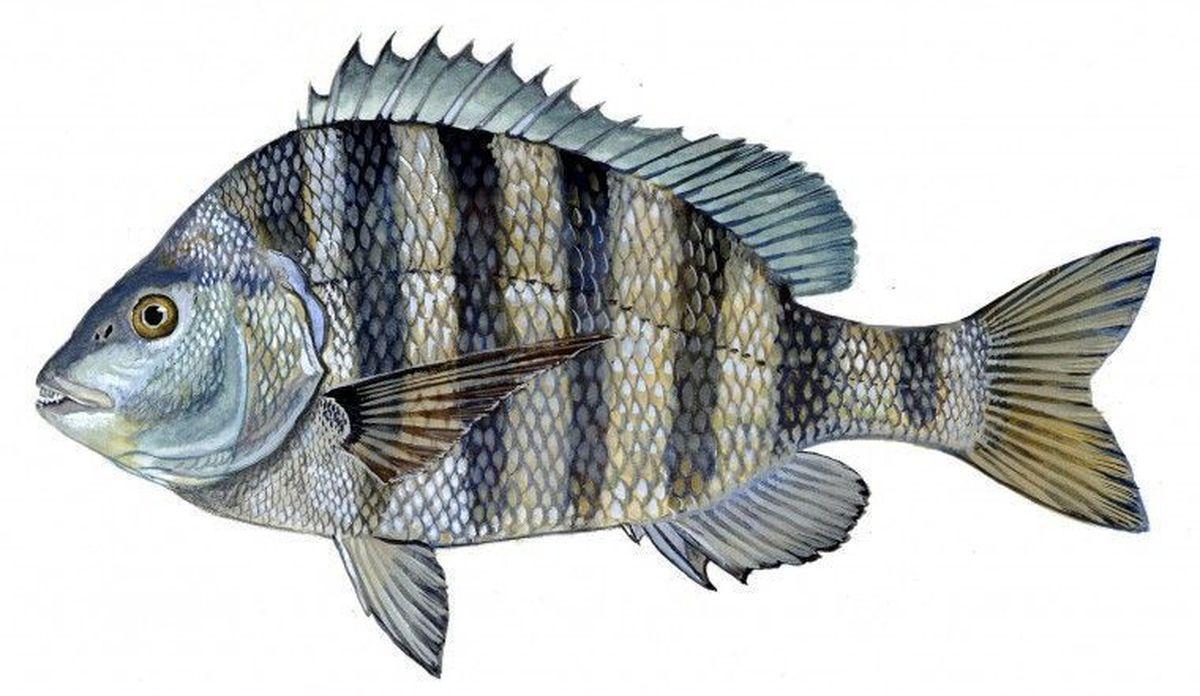
The Sheepshead (Archosargus probatocephalus) is a distinctive member of the Sparidae family and Perciformes order, easily recognized by its compressed silver-grey body adorned with five to seven prominent black vertical bars. These striking markings have earned it the nickname "convict fish" among anglers. What truly sets sheepshead apart are their remarkably human-like teeth, perfectly adapted for crushing barnacles, oysters, and crabs. In Savannah waters this February, these hardy fish remain active around structure where their preferred prey is abundant.
Sheepshead Overview
Sheepshead are prized by inshore anglers for their challenging nature and excellent table fare. They inhabit coastal waters from Nova Scotia to Brazil, with particularly strong populations along the southeastern United States. These fish are structure-oriented, rarely found far from pilings, docks, reefs, or oyster beds where they can access their preferred crustacean diet.
Sheepshead Habitat and Distribution
Around Savannah, sheepshead frequent inshore waters near Little Tybee Island, utilizing dock pilings, bridge structures, and natural oyster reefs. They prefer areas with hard bottom and vertical structure where barnacles and other shellfish attach. During cooler months, they often move to deeper structure but remain accessible to inshore anglers who know where to look.
Sheepshead Size and Weight
Most sheepshead caught in Georgia waters range from 14 to 20 inches and weigh between 1 to 8 pounds. Trophy specimens can reach 20 pounds and 35 inches, though fish over 10 pounds are considered exceptional catches. Their deep, compressed body shape makes even smaller sheepshead feel substantial when hooked.
Sheepshead Diet and Behavior
Sheepshead are opportunistic feeders with a diet consisting primarily of barnacles, fiddler crabs, oysters, and other crustaceans. Their powerful jaws and human-like teeth allow them to crush hard shells with ease. They feed most actively during moving tides when current dislodges prey from structure, making them easier targets.
Sheepshead Spawning Season
Sheepshead spawn in offshore waters during late winter and early spring, typically from February through April when water temperatures reach 68-70°F. During this period, they form large aggregations near reefs and wrecks, making them more predictable targets for anglers who can locate these spawning areas.
Sheepshead Fishing Techniques
Successful sheepshead fishing requires patience and finesse. Fiddler crabs, sand fleas, and oysters make excellent bait when fished tight to structure. Light tackle with sensitive tips helps detect their subtle bites. In February around Savannah, anglers find success using small hooks and minimal weight, allowing bait to drift naturally near pilings and oyster bars where sheepshead feed.
Sheepshead Is It Good to Eat?
Sheepshead are considered excellent table fare with firm, white meat and mild flavor. Their diet of crustaceans gives the flesh a slightly sweet taste. They're high in protein and omega-3 fatty acids while being relatively low in mercury. Popular cooking methods include grilling, blackening, and frying, with the firm texture holding up well to various preparations.
Sheepshead Frequently Asked Questions
Q: What is the best bait for sheepshead?
A: Fiddler crabs are the top choice, followed by sand fleas, oysters, and barnacles. Live or fresh dead bait works best when fished close to structure.
Q: Where can I find sheepshead near Savannah?
A: Look around dock pilings, bridge structures, and oyster beds near Little Tybee Island. Any hard structure with barnacles or shellfish will attract sheepshead.
Q: Is sheepshead good to eat?
A: Yes, sheepshead are excellent eating with firm, white meat and mild flavor. Their crustacean diet gives the flesh a slightly sweet taste that's highly prized.
Q: When is the best time to catch sheepshead?
A: Moving tides are most productive, especially during cooler months when they're more active. Early morning and late afternoon often produce the best results.